


Luxury and premium are two of the most used words in fashion and two of the least defined. No independent body awards either one; brands apply them to themselves, which is why the line between them blurs. The product is a better witness than the label. This guide shows you how to tell the difference between luxury and premium by reading the piece itself: how it is constructed, what it is made from, where and how it was made, and what its price is paying for. Try it on anything in our edits of women's designer clothing and men's designer clothing.
Construction Is the First Signal of Quality
Turn the garment inside out. In tailoring, the chest of a high-end jacket is often shaped by a canvas interlining stitched to the cloth, which moulds to the wearer over time, while a cheaper jacket relies on an interlining fused on with heat and adhesive that can bubble after years of wear and cleaning. Look at the seams as well. Bound or French seams, pattern lines that meet across a pocket or a side seam, and buttonholes finished densely enough not to fray all cost time, and time is most of what you pay for.
Knitwear has its own tell. A fully fashioned knit is knitted to shape, panel by panel, so the edges are finished rather than cut, and you can see the small marks where stitches were added or dropped along the raglan line. Cut-and-sew knitwear is sliced from a larger fabric and overlocked. Compare the two side by side in the men's designer knitwear edit, turning each piece inside out to check the edges.
Knitwear, Read Closely
Natural fibres and knitted-to-shape construction


Materials Tell You Where the Money Went
Fibre and hide quality vary enormously under the same name. Cotton spun from longer fibres feels smoother and pills less; every knit pills a little at first, but cashmere spun from longer, finer fibres soon settles, while heavy pilling that keeps returning points to shorter fibres. In leather, full grain keeps the natural surface intact, corrected grain is sanded and embossed to hide flaws, and bonded leather is shredded offcuts glued to a backing.
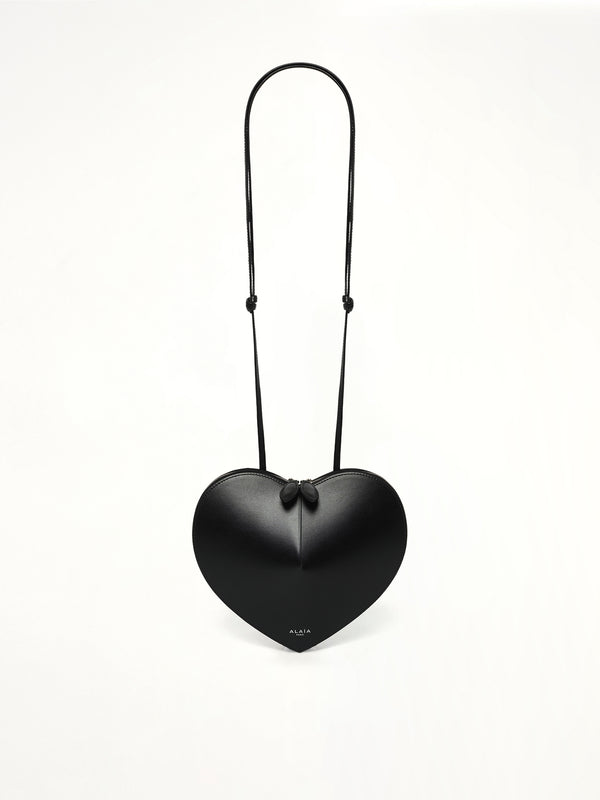
Hardware and finishing complete the picture. Solid metal hardware has weight and an even finish, whereas thin plating chips at the edges. On a bag, edges that are folded, or painted in several sanded layers, wear smoothly for years. Look closely at the women's designer bags and the difference becomes easy to feel.
Leather Goods, Read Closely
Full-grain leather and finished edges


Footwear Construction Separates the Two Quickly
Shoes give their construction away at the sole. A Goodyear-welted shoe has its upper stitched to a strip of leather that is in turn stitched to the sole, and a Blake-stitched shoe is sewn straight through; both can be resoled, often more than once. A cemented sole is glued in place, which keeps a shoe light and flexible and is standard for most sneakers at every price.
So judge a sneaker on its leather, lining and finishing, and a formal shoe on whether it can be resoled. Browse men's designer shoes and women's designer shoes with that lens.
Provenance and What a Made-In Label Means
A country of origin label is useful, though narrower than it appears. Under the European Union's customs rules, when more than one country is involved in making a product, its origin is generally where it underwent its last substantial transformation. The label tells you where the decisive manufacturing happened, not where every component came from.
Better questions sit behind it. Does the brand say which workshop or region makes the piece? Is the cloth or leather sourced from a named mill or tannery? Skilled manufacturing exists in Italy, France, Portugal, Japan and many other places, and a house that is open about its supply chain is giving you a reason to trust it.
Reading Price Signals Without Being Fooled
Price reflects materials, labour and design, and also marketing, distribution and the size of each production run. Two wool coats at the same price can differ widely in fibre, lining and construction, which is exactly why comparing like with like matters. Weigh the piece in your hands, look inside it, and divide the price by the years you expect to wear it.
Notice what the money is buying. A strong logo on a thin cloth is paying for recognition. A plain garment with dense fabric and careful finishing is paying for making.
How to Judge Any Brand on Its Own Merits
Luxury and premium, in the end, describe where a brand chooses to position itself in the market. Your own checks describe the garment: construction inside and out, the grade of fibre or hide, a sole that can be renewed, an honest account of where it was made, and a price that matches what you can see. Apply them to anything in our edits of women's designer clothing and men's designer clothing at MARAIS, and let the product make its own case.

